
Content Strategy
The Art of Showing, Not Telling: Left 4 Dead's 4-Minute Intro Remains a Masterclass
How a four-minute game cinematic teaches mechanics, tone, teamwork, and emotional stakes without stopping to explain itself.
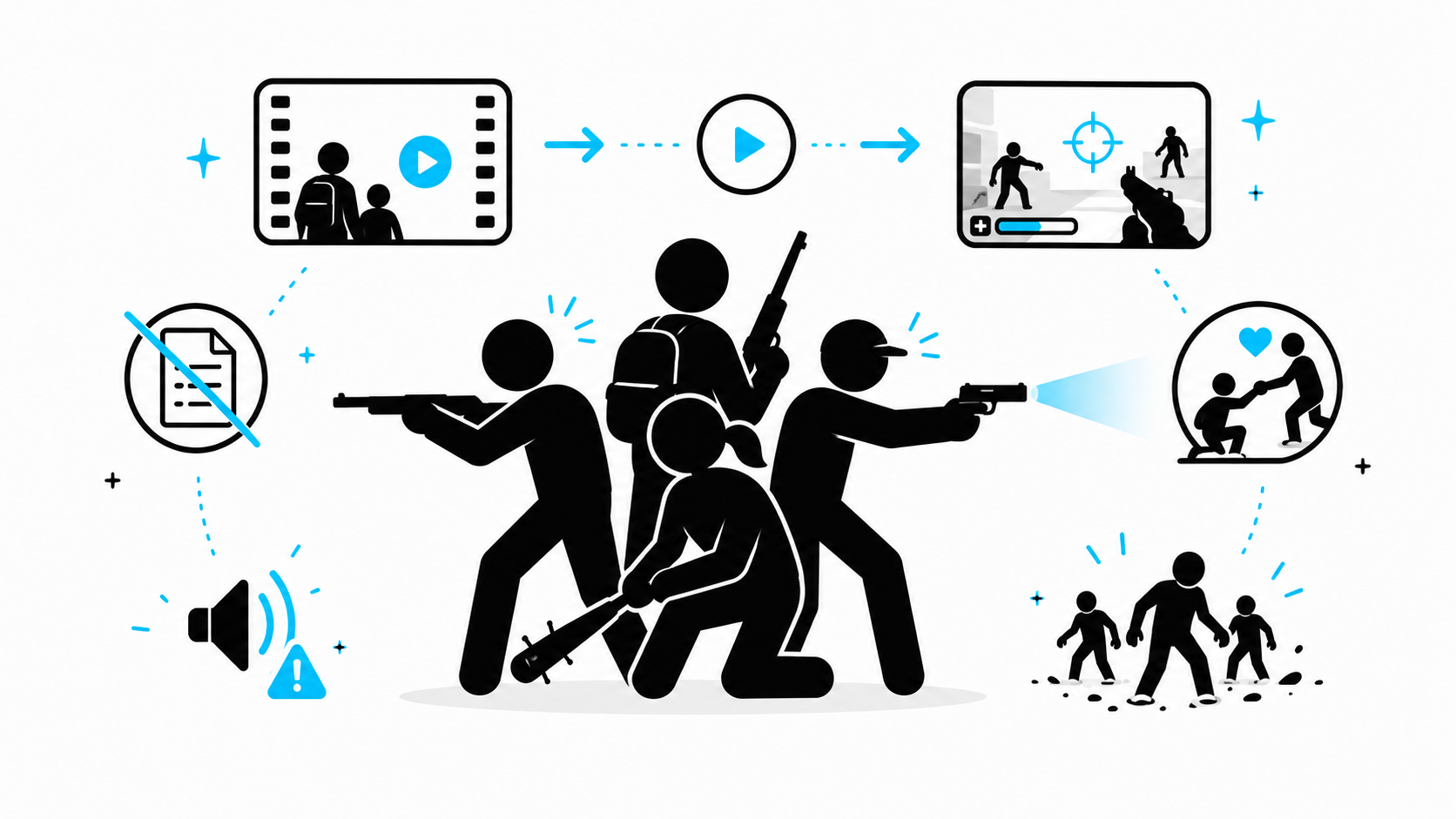
The Understory
A Four-Minute Tutorial That Never Feels Like One
The strongest onboarding does more than explain what to do. It creates a situation where the audience understands the rules, feels the stakes, and wants to act before the lesson is ever named.
Left 4 Dead is a cooperative first-person shooter released in 2008 by Turtle Rock Studios and Valve. Players control one of four ordinary survivors fighting through overwhelming hordes of fast, aggressive zombies, called Infected, across story-driven campaigns.
What made the game stand out was its intense emphasis on teamwork, its groundbreaking AI Director that dynamically adjusted difficulty in real time, and its focus on panic, resource management, and survival rather than traditional heroic power fantasies.
I'm constantly studying how great narratives pull audiences in by teaching them something valuable and making them feel invested, often without them realizing it is happening. Few examples do this better than the four-minute pre-rendered intro cinematic from Left 4 Dead.
At a time when many games buried players in clunky tutorials and walls of text, Left 4 Dead delivered something radically different: an adrenaline-fueled, word-light sequence that taught the game's systems, tone, and core philosophy through pure experience. It strategically onboarded players into its world, mechanics, and emotional stakes.
Here is why this short piece of content still holds up as a masterclass in experiential storytelling, adaptive design, and audience engagement.
Section
Teaching Through Experience Rather Than Explanation
Instead of pausing the action with pop-ups or voiceover exposition, the cinematic introduces the Special Infected by showing exactly how each one ruins your day and why you cannot rely on the normal rules of defeating zombies.
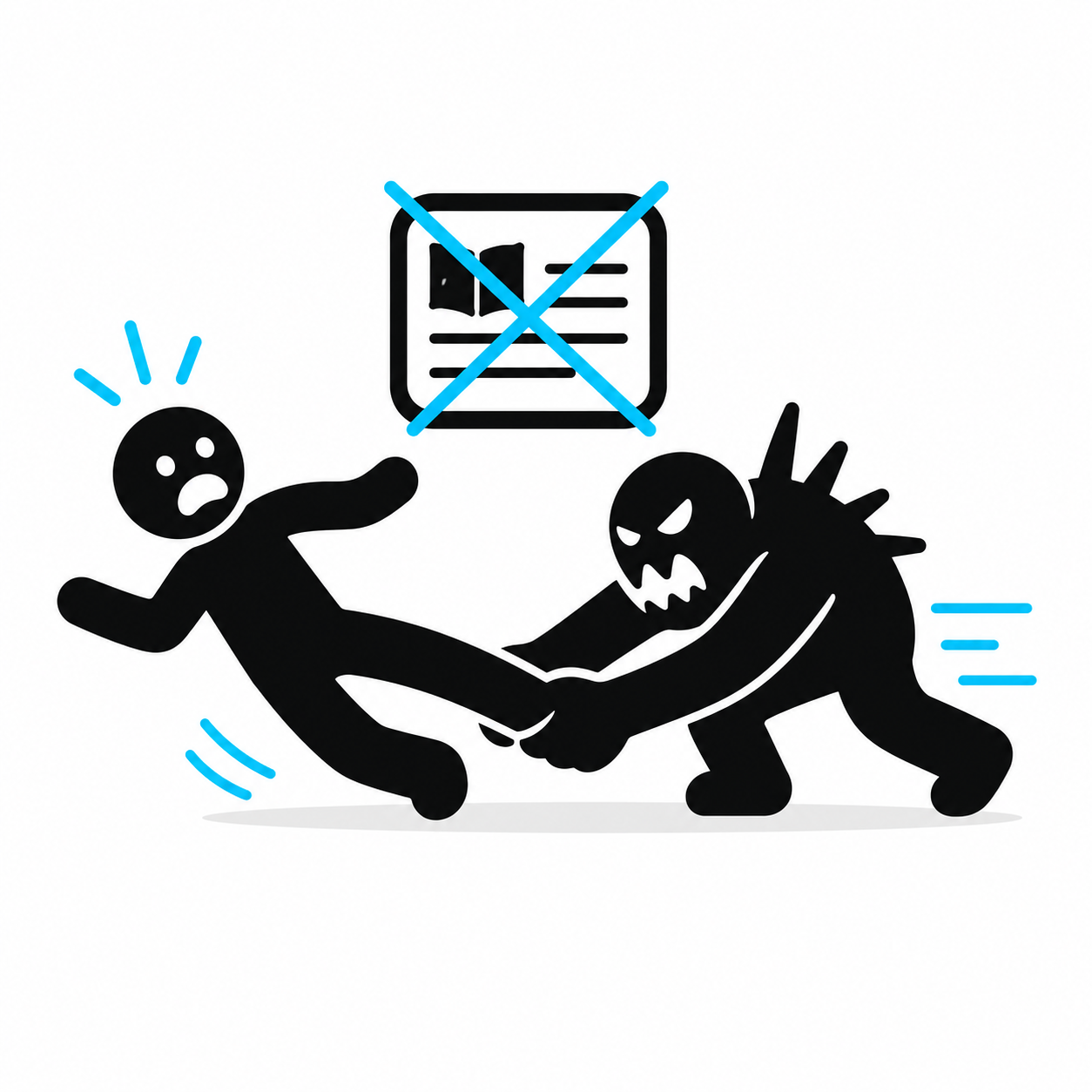
- A Smoker drags Bill away with its… appendage, demonstrating an instant lesson: isolation equals death.
- A pipe bomb proves that human ingenuity still exists and people are finding ways to fight smarter, not just harder.
- A Hunter drops from above and pins Louis, revealing that threats can come from any direction and making the need for teammates visceral.
- The Tank hurls a car like it is weightless, warning you that strategy and a well-rounded team can still fail under enough brute force and bad luck.
The audience learns the rules by living them emotionally. Before you even start the game, you are shown rather than told that the apocalypse is here and you will need wits, a strong team, some luck, and the determination to keep moving.
Section
Introducing Complex Systems Through Intuitive Context
The game's famous AI Director, the invisible system that dynamically adjusts difficulty based on player performance, is never explained in the intro. Instead, we watch the survivors dim their flashlights and go silent near a crying woman in the shadows.
That single tense moment teaches the Witch encounter. The survivors do not know exactly what she is, but they know she is not an ally. Now you know too.
Seconds later, a panicked gunshot triggers a car alarm and unleashes a horde. We immediately understand sound propagation, environmental consequences, and risk without a single tooltip.
Strategic content often works the same way. The smartest systems can feel invisible because they are communicated through context, consequence, and emotional stakes rather than explicit instruction.

Section
Making Collaboration Feel Essential, Not Optional
Many co-op games of the era treated teamwork as a nice bonus. Left 4 Dead made it non-negotiable by repeatedly showing the cost of going it alone.
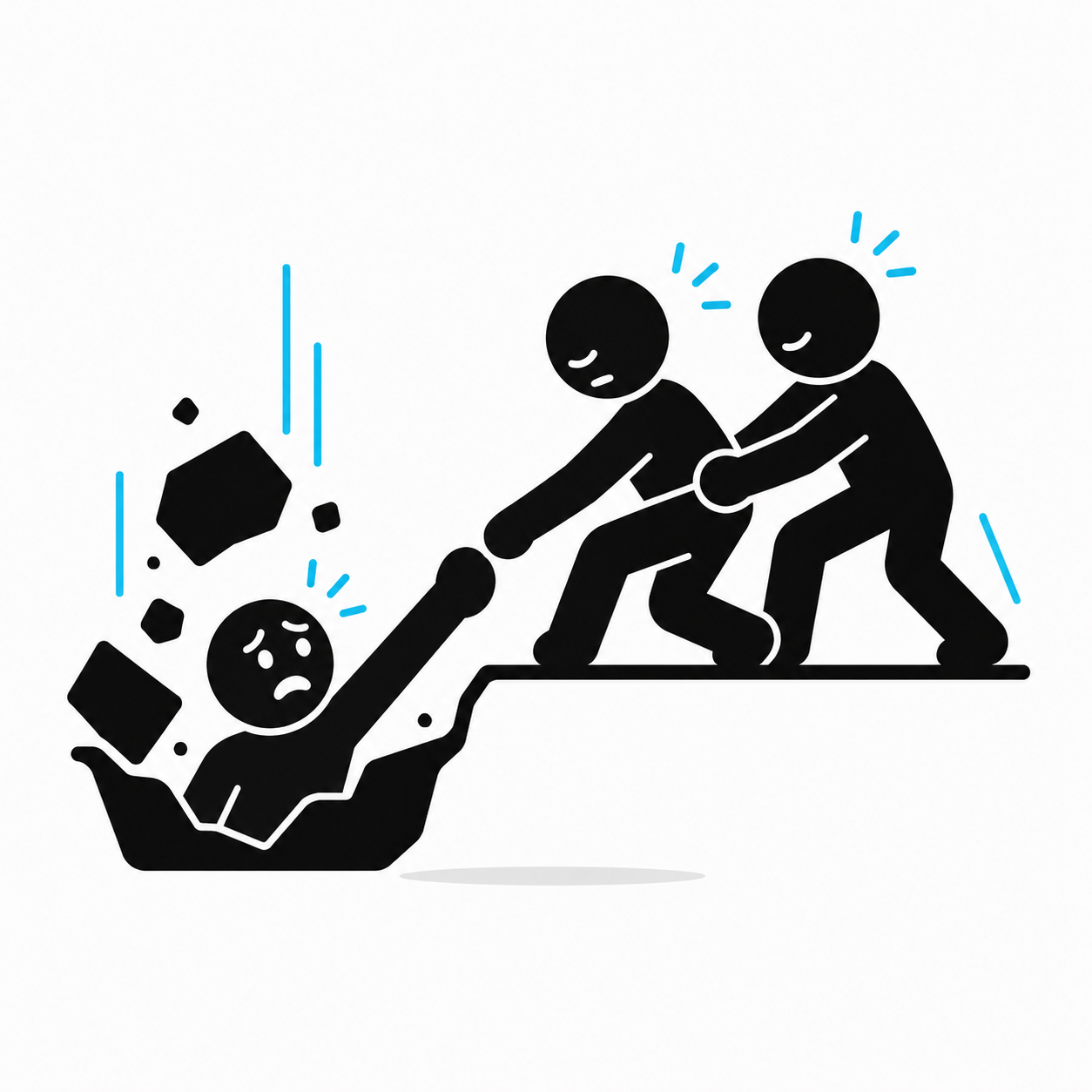
Pinned or dragged survivors cannot save themselves. They need immediate intervention from teammates. Every rescue moment reinforces a clear strategic message: survival depends on mutual awareness and support.
This mirrors effective content and team strategy. Individual brilliance has limits. The strongest outcomes come from interdependent, high-trust collaboration.
Section
Creating Seamless Continuity Between Teaser and Experience
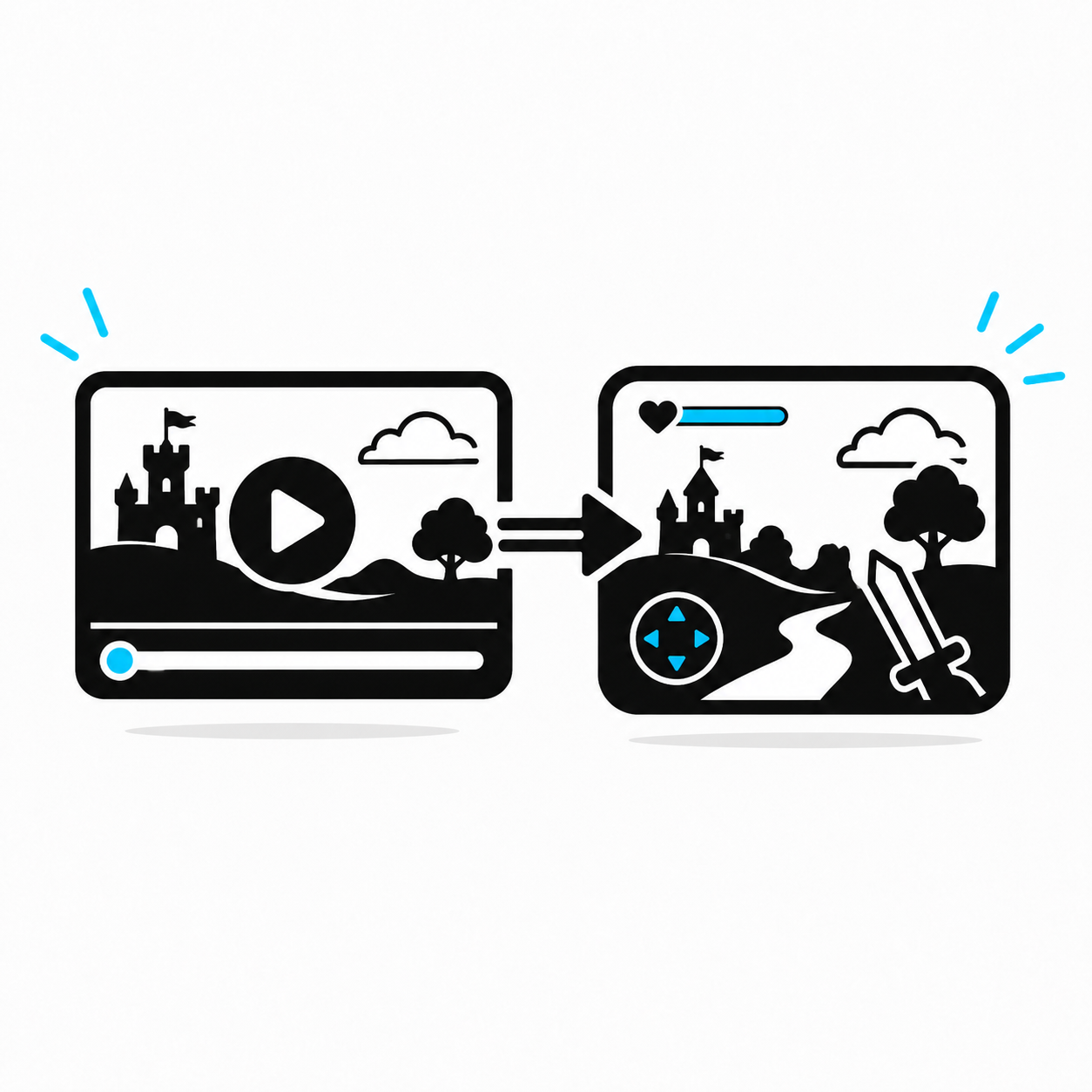
The cinematic is a literal one-to-one prequel to the first playable level, No Mercy. The streets, alleys, fire escapes, and final elevator sequence are the same environments players enter moments later.
This frictionless handoff from passive viewing to active participation is rare and powerful. It eliminates the common gap between promise and delivery, a principle that applies directly to content funnels, onboarding flows, and brand experiences.
Section
Celebrating Relatable, Imperfect Teams
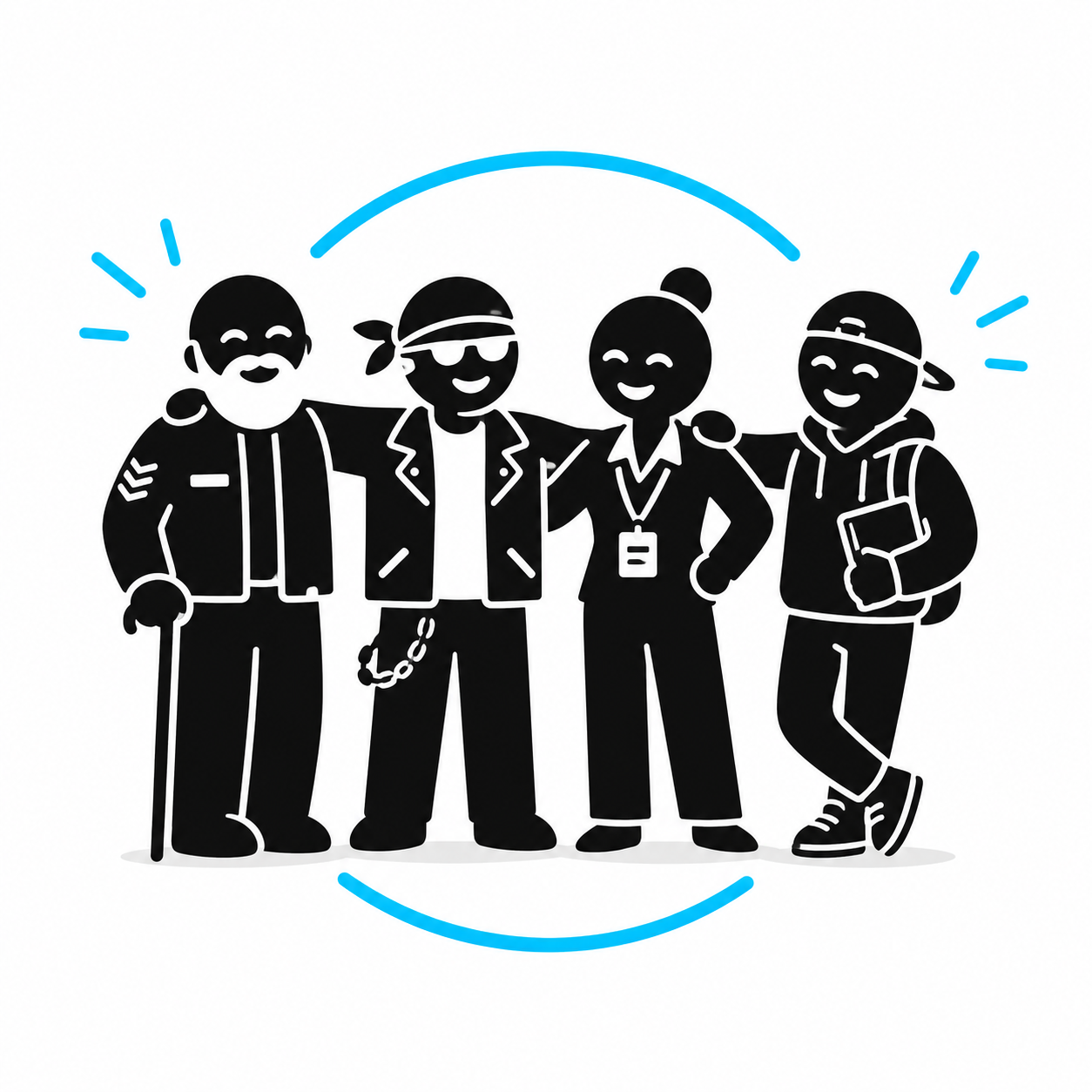
The four survivors—a cynical Vietnam veteran, a leather-clad biker, an upbeat office worker, and a horror-obsessed college student—are gloriously mismatched.
Their chemistry emerges in small human moments: quiet tension, dry glances, and stubborn optimism under pressure.
It is a reminder that compelling narratives, and high-performing teams, rarely come from perfectly aligned and polished characters. They come from diverse perspectives forced to cooperate under stress.
Great content strategy creates understanding, emotional investment, and behavioral change through smart structure, tone, and pacing. Left 4 Dead's intro remains one of the cleanest examples of “show, don't tell” operating at an extremely high level.
I study moments like this because they directly inform how I approach audience engagement, narrative architecture, and experiential content in my own work.
More writing
Read more Field Notes
Browse articles on AI, security, workplace communication, change, and systems.