
Change Management
What a SpongeBob Episode Taught Me About Pride, Change, and Why Most Corporate Initiatives Implode
A business essay on organizational change resistance, ego, and why transformation work fails when people feel humiliated instead of included.
The Understory
When Change Threatens Who You Think You Are
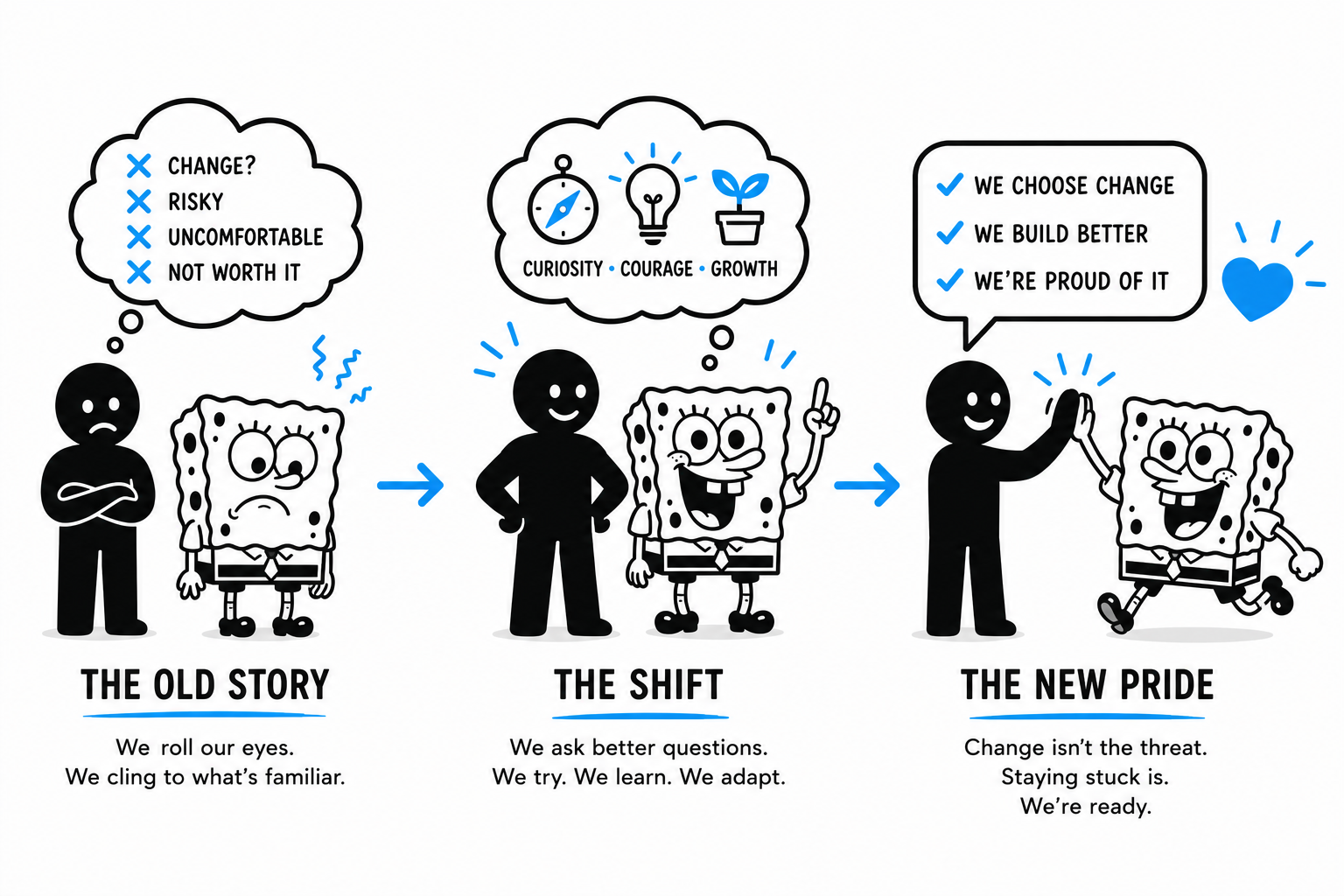
A new tool can be useful, proven, and still feel intolerable when adopting it threatens someone's identity. That is where change resistance becomes a people problem rather than a product problem.
The psychology of change resistance, organizational ego, and why transformation projects collapse before they even begin.
Most organizational change initiatives fail, not because the strategy is wrong, but because of something far more human: ego.
I'll admit it: I did not expect to pull business wisdom from a cartoon squid having a life-upending meltdown over a hamburger. But here we are.
The 2001 SpongeBob SquarePants episode "Just One Bite" is a deranged, underwater deconstruction of Dr. Seuss' Green Eggs and Ham. Where Seuss gave us a gentle, rhythmic lesson in openness, the SpongeBob writers looked at that wholesome fable and said, "What if we commented on the horrifying fragility of ego?"
The result is a brutally accurate case study in human (and cephalopod) behavior. Here's what it reveals about change, pride, and innovation.
Section
Resistance to Change Is About Identity More Than the "Product"
In Green Eggs and Ham, the guy just doesn't want Sam's weird food. In "Just One Bite," Squidward's refusal runs much deeper. As the self-appointed sophisticated artist of Bikini Bottom, eating, let alone liking, a Krabby Patty is social suicide for his entire above-it-all persona.
The business parallel is brutal. How many times have you seen teams reject a new tool, process, or strategy not because it is bad, but because adopting it threatens their identity as the expert, the traditionalist, or the "I've been doing this for 15 years" veteran?
When someone digs in their heels, your job shifts from selling the features to addressing the identity threat.

Section
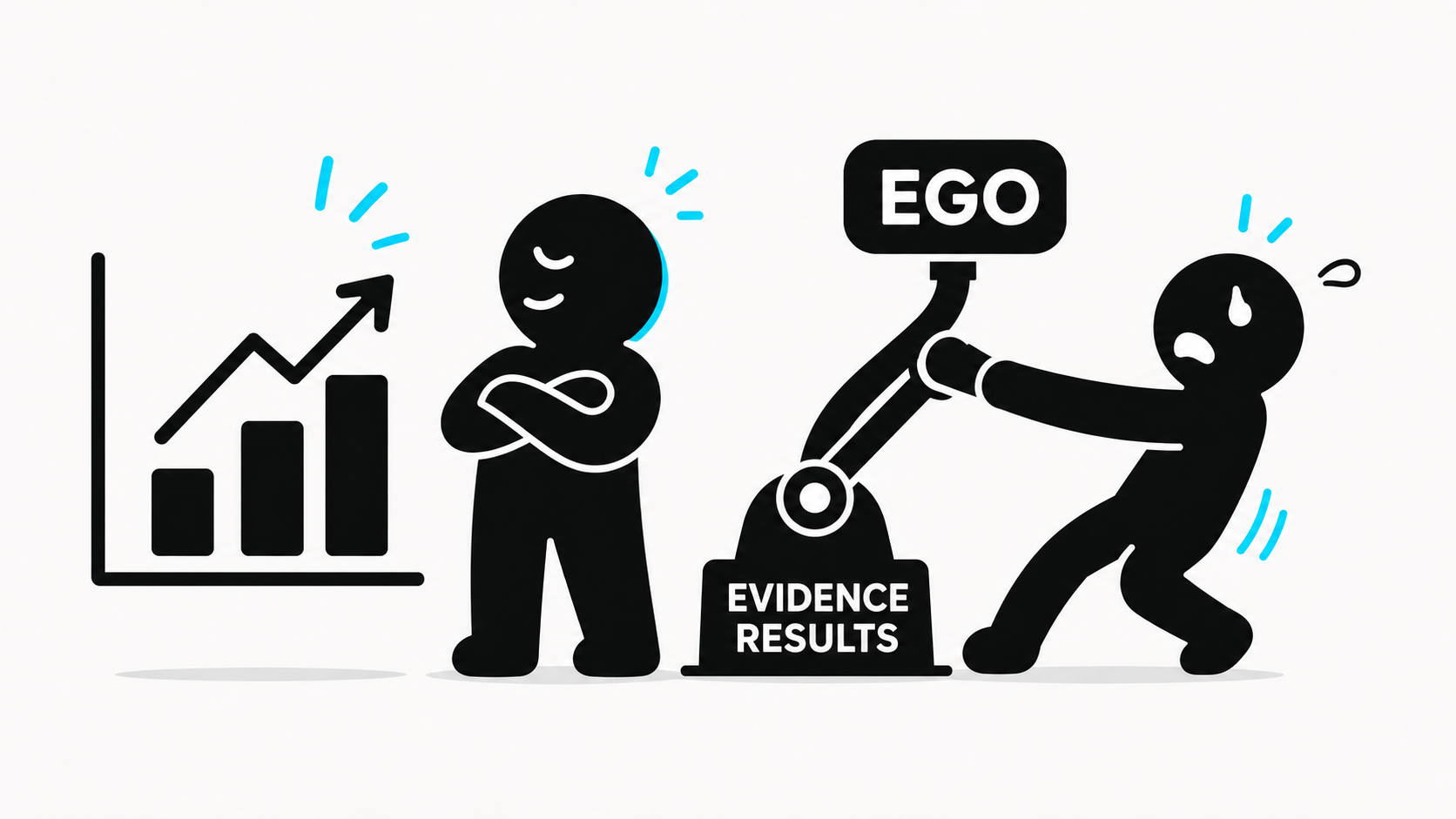
Pride Is Stronger Than Evidence (And Twice as Dangerous)
Squidward finally caves, takes one bite, and experiences what can only be described as a total religious experience.
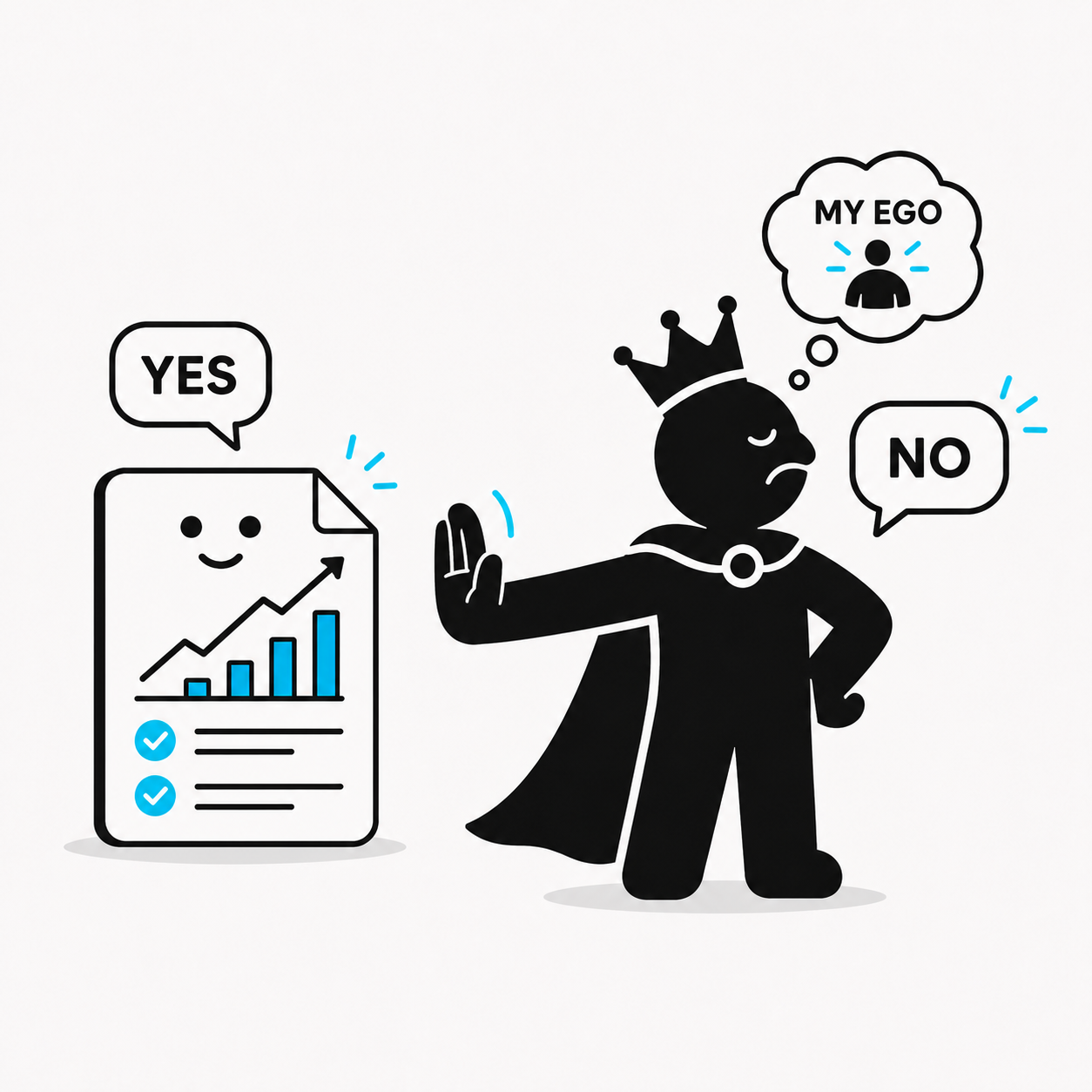
Then his ego hits the emergency brake. He forces a look of disgust, calls it "vile," and buries the sandwich in the dirt like he is hiding evidence from the feds.
This is why so many pilots fail. The data says it works. The early results are glowing. But someone would rather bury the win than admit they were wrong in public.
If your culture makes being right more important than being effective, innovation is dead on arrival.
Great leaders create environments where "I was wrong" is a flex, not a weakness.
Section
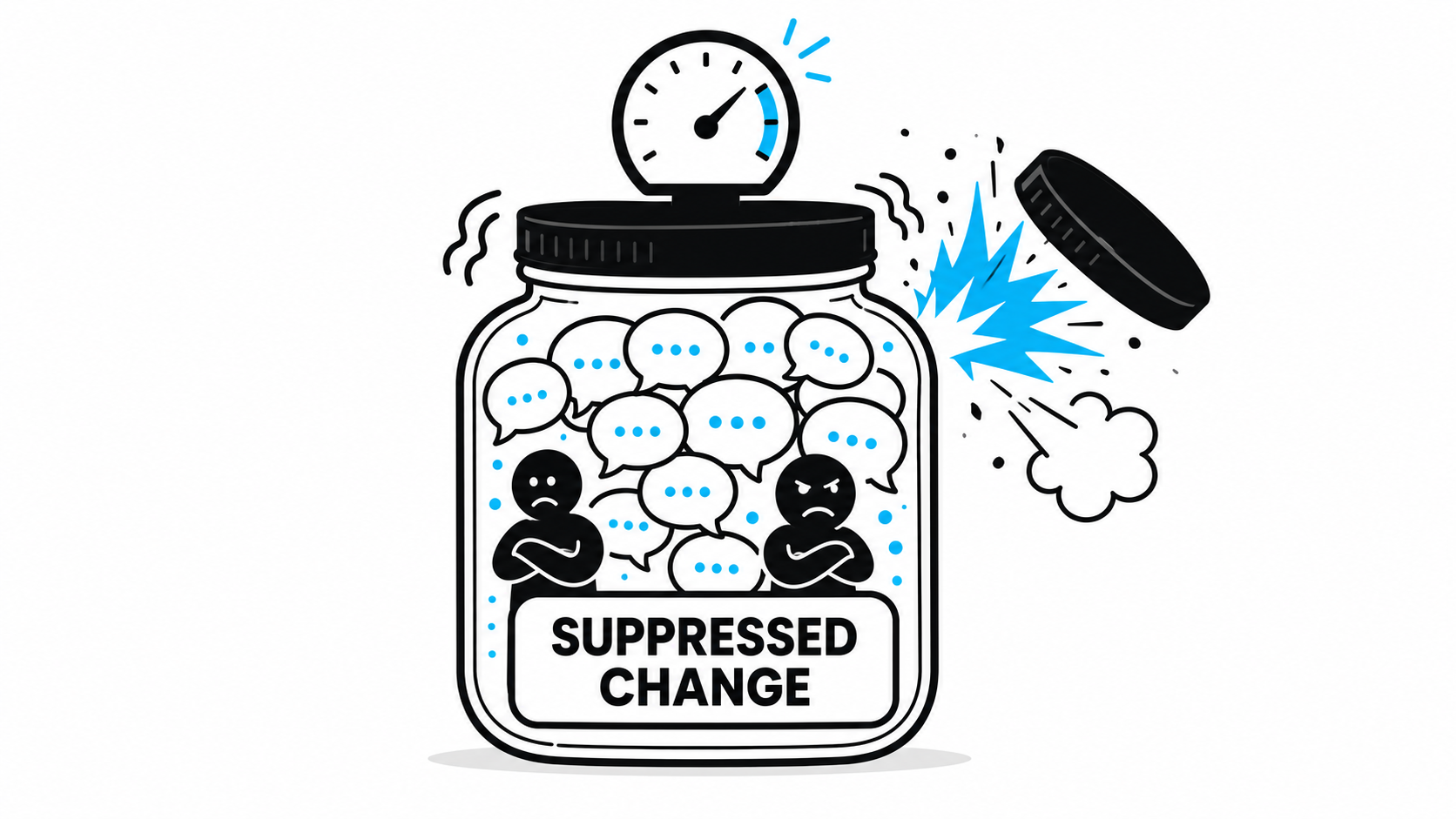
Suppressing Change Resistance Doesn't Prevent Addiction, It Delays the Explosion
Once the dam breaks, Squidward does not enjoy the patty responsibly. He can't, because of the spectacular display he put on for SpongeBob. He turns into a dumpster diver, falsely places an order, and has a fever-dream wedding to a giant Krabby Patty, complete with horrifying hybrid children.
Seuss ended the story at the happy bite. SpongeBob shows what happens in the messy aftermath when desire has been bottled up for too long.
Translation for the workplace: when people are forced to resist change for years, the eventual breakthrough can swing wildly in the other direction: over-adoption, burnout, or distorted implementation. Build in safe experimentation early instead of waiting for the explosion.
Section
Breakthroughs Without Boundaries End in Spontaneous Combustion
Climax time: Squidward raids the Patty Vault at 3 a.m., binges like it is his last day on Earth, and then, well, he literally explodes.
Metaphor for every poorly supported transformation project ever. The big launch happens, enthusiasm spikes, there are no boundaries or support systems in place, and boom: organizational shrapnel everywhere.
Sustainable change needs more than one euphoric "first bite." It needs coaching, realistic scaling, and support.
Dr. Seuss sold us the optimistic version: try new things and everything works out beautifully.
SpongeBob reminded us that humans are messier, funnier, and far more prideful than that.
More writing
Read more Field Notes
Browse articles on AI, security, workplace communication, change, and systems.